Useful blogs
Helpful beauty guides, aftercare, and tips from our specialists
Helpful beauty guides, aftercare, and tips from our specialists

Healthy, shiny hair is often one of the first signs of good personal care. Whether your hair is long or short, straight or curly, natural or color-treated, maintaining its health requires more than simply washing it regularly. Daily styling, heat tools, environmental pollution, sun exposure, chemical treatments, and even stress can gradually affect the condition of your hair.
Many people only begin paying attention to their hair after noticing excessive dryness, split ends, or hair fall. In reality, prevention is much easier than repair. Building a consistent hair care routine and understanding your hair's unique needs can help maintain its strength, softness, and shine for years to come.
Here are seven essential habits that can help you achieve healthier and more beautiful hair.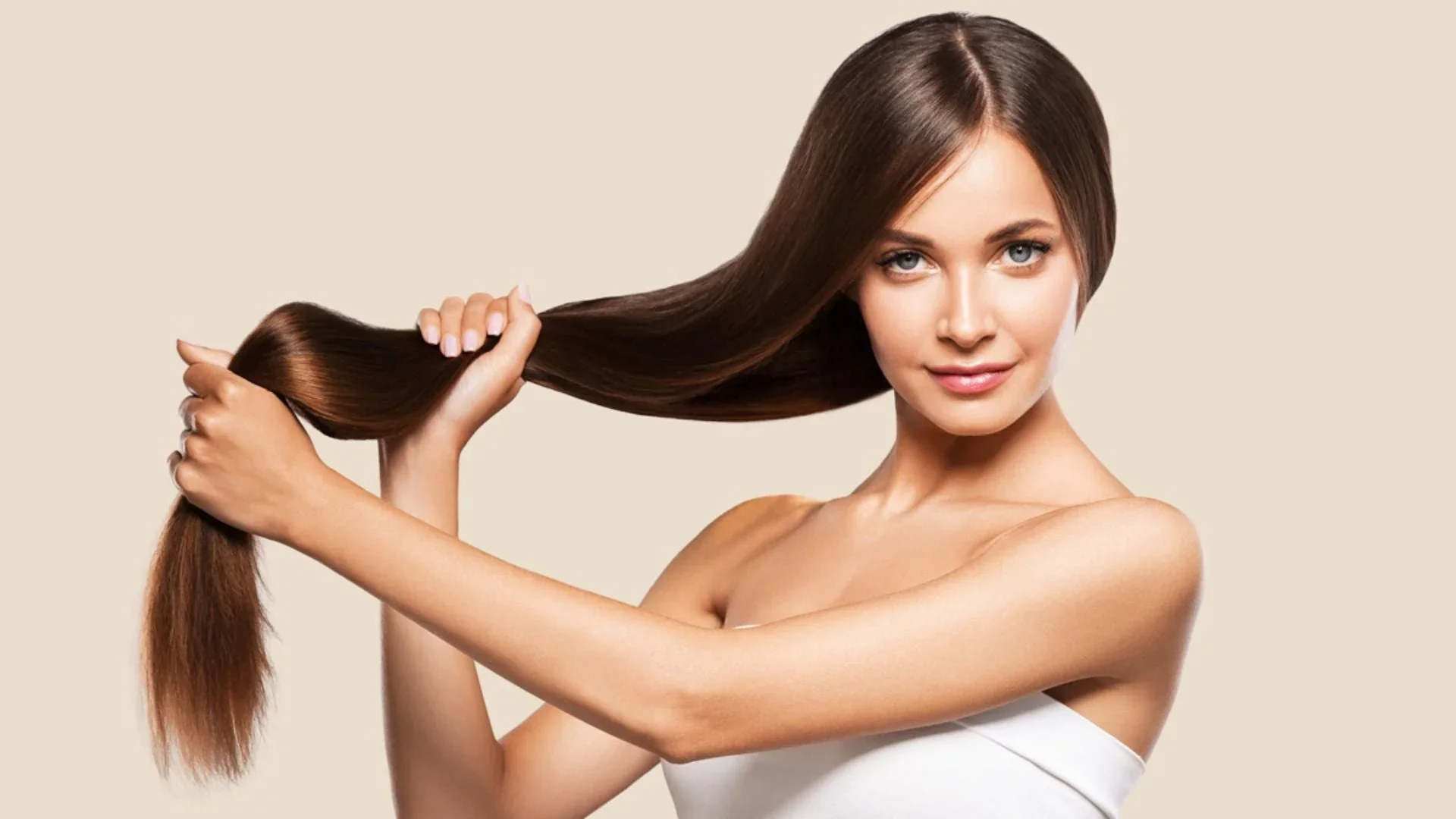
The foundation of any good hair care routine begins with selecting the right shampoo.
Every person has different hair and scalp needs. Some people have oily hair, while others struggle with dryness, sensitivity, dandruff, or chemically treated hair. Using products that are not designed for your hair type may leave your scalp feeling irritated or cause your hair to become either excessively dry or greasy.
Instead of choosing products based only on fragrance or packaging, read the label carefully and select formulas created for your specific hair concerns.
When your shampoo matches your hair type, every other step in your routine becomes more effective.
Although a hot shower can be relaxing, very hot water isn't ideal for your hair.
High temperatures can remove the scalp's natural oils, leaving both the scalp and hair feeling dry. Over time, this may contribute to dullness, increased breakage, and frizz.
Hair professionals generally recommend washing your hair with lukewarm water and finishing with a cool rinse. Cooler water helps smooth the hair cuticle, allowing light to reflect more evenly and giving your hair a healthier shine.
This small adjustment can make a noticeable difference in your hair's appearance.
Shampoo cleanses your hair, but conditioner helps restore moisture and improve manageability.
Using conditioner after every wash makes hair softer, reduces tangles, and helps protect it from everyday damage.
In addition to conditioner, applying a nourishing hair mask once or twice a week provides deeper hydration and strengthens hair that has been exposed to coloring, bleaching, heat styling, or environmental stress.
Focus these treatments on the mid-lengths and ends of your hair, where dryness and damage are usually most noticeable.
Hair dryers, curling irons, and flat irons make styling easier, but repeated exposure to high temperatures can weaken the hair's natural structure.
Whenever you use heated styling tools, apply a quality heat protectant beforehand. These products create a protective layer that helps reduce moisture loss and minimizes damage caused by high temperatures.
Whenever possible, allow your hair to air dry partially before using a blow dryer, and avoid using the highest heat settings unless absolutely necessary.
Reducing heat exposure is one of the simplest ways to preserve healthy hair over time.
Many people avoid haircuts because they believe trimming slows hair growth.
In reality, regular trims don't affect how quickly your hair grows, but they do remove split ends before they spread further up the hair shaft.
Keeping your ends healthy makes your hair appear fuller, smoother, and easier to manage.
Most hairstylists recommend trimming the ends every six to ten weeks, depending on your hairstyle and hair condition.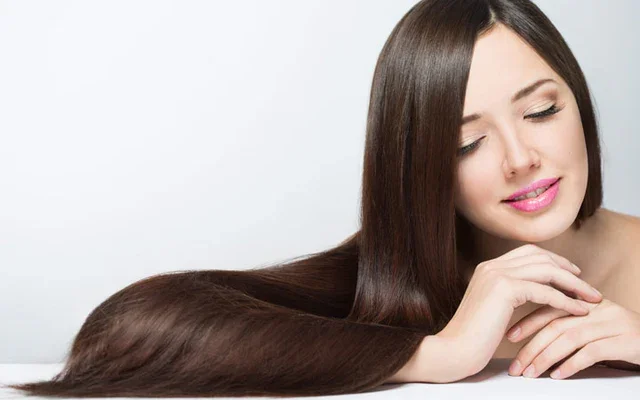
Healthy hair depends not only on external care but also on your overall health.
A balanced diet rich in protein, iron, zinc, healthy fats, vitamins, and antioxidants provides your body with the nutrients needed to support normal hair growth.
Drinking enough water also helps maintain healthy hair and scalp hydration.
Sleep and stress management are equally important. Chronic stress may contribute to increased hair shedding in some individuals, making self-care an essential part of any hair care routine.
If you experience sudden or persistent hair loss, consulting a healthcare professional or dermatologist is recommended.
While a consistent home routine is essential, professional salon treatments can provide additional care that is difficult to achieve on your own.
Modern salons offer services such as deep conditioning, scalp treatments, hair repair therapies, keratin treatments, and customized care plans designed for different hair types and concerns.
Professional hairstylists can also identify early signs of damage and recommend products or treatments that suit your individual needs.
Combining salon care with proper daily maintenance often produces the best long-term results.
Even with the best intentions, certain habits can gradually damage your hair.
Some of the most common mistakes include:
Washing your hair with very hot water.
Brushing wet hair too aggressively.
Using heat styling tools without heat protection.
Coloring or bleaching hair too frequently.
Using products that don't suit your hair type.
Ignoring regular trims.
Avoiding these habits can significantly improve your hair's health and appearance over time.
Beautiful hair is not the result of luck—it's the result of consistency.
Choosing the right products, protecting your hair from heat, maintaining a balanced lifestyle, and visiting a professional stylist when needed all contribute to stronger, shinier, and healthier hair.
Instead of searching for quick fixes, focus on building a routine that works for your hair type and lifestyle. Small daily habits, combined with professional care, can make a remarkable difference and help your hair look its best throughout every season.


