Useful blogs
Helpful beauty guides, aftercare, and tips from our specialists
Helpful beauty guides, aftercare, and tips from our specialists

Healthy, glowing skin isn't achieved overnight. While many people believe flawless skin comes from expensive skincare products or advanced cosmetic treatments, the truth is much simpler. Beautiful skin is usually the result of consistent daily care, healthy lifestyle choices, and using products that suit your skin's needs.
Every day, your skin is exposed to environmental factors such as sunlight, pollution, changing weather, makeup, and stress. Over time, these elements can affect your skin's appearance, causing dryness, excess oil, dullness, or occasional breakouts. Fortunately, developing a few simple habits can make a significant difference in maintaining healthy skin.
Whether you're just beginning a skincare routine or looking to improve your current one, these five daily habits can help your skin look and feel its best.
Cleansing is the foundation of every effective skincare routine.
Throughout the day, your skin collects oil, sweat, dirt, sunscreen, makeup, and environmental pollutants. If these impurities are left on the skin for too long, they can clog pores and contribute to blemishes, irritation, and an uneven complexion.
Washing your face twice a day with a gentle cleanser helps remove these impurities while preparing your skin for the next steps in your routine.
However, cleansing too often or using harsh products can strip away your skin's natural protective barrier. This may lead to dryness, sensitivity, or even increased oil production.
Choose a cleanser that matches your skin type and avoid using products that leave your skin feeling tight or uncomfortable after washing.
Hydration is essential for every skin type—not just dry skin.
Even oily or combination skin needs moisture to maintain its natural balance. When skin becomes dehydrated, it may produce even more oil in an attempt to compensate for the lack of moisture.
Applying a moisturizer every morning and evening helps strengthen the skin barrier, improves texture, and keeps your complexion looking smooth and healthy.
Lightweight gel moisturizers are often suitable for oily skin, while richer creams may work better for dry or mature skin.
Choosing products designed for your specific skin type can make a noticeable difference over time.
If skincare experts agree on one habit above all others, it's the importance of daily sun protection.
Ultraviolet (UV) rays contribute to premature aging, uneven skin tone, dark spots, and loss of skin elasticity. These effects can occur throughout the year—not just during summer or sunny days.
Applying sunscreen with an appropriate SPF every morning is one of the most effective ways to protect your skin's long-term health and appearance.
If you spend extended periods outdoors, remember to reapply sunscreen according to the product's instructions.
Protecting your skin from UV exposure today can help preserve a youthful complexion for years to come.
Healthy skin is influenced by much more than skincare products.
A balanced diet, adequate hydration, quality sleep, and regular physical activity all contribute to healthier skin.
Drinking enough water helps maintain skin hydration, while foods rich in vitamins, antioxidants, healthy fats, and protein support your skin's natural repair process.
Stress management is equally important. Ongoing stress can trigger breakouts, increase skin sensitivity, and negatively affect your overall complexion.
Small lifestyle improvements often produce visible changes in the way your skin looks and feels.
A consistent home routine forms the foundation of healthy skin, but professional treatments can provide additional benefits.
Licensed estheticians and skincare professionals can evaluate your skin, identify its specific needs, and recommend treatments that complement your daily routine.
Professional facials, deep cleansing treatments, hydration therapies, and customized skincare programs can improve skin texture, promote a healthier appearance, and address concerns that are difficult to manage at home.
Choosing qualified professionals and following their recommendations helps ensure both safety and effective results.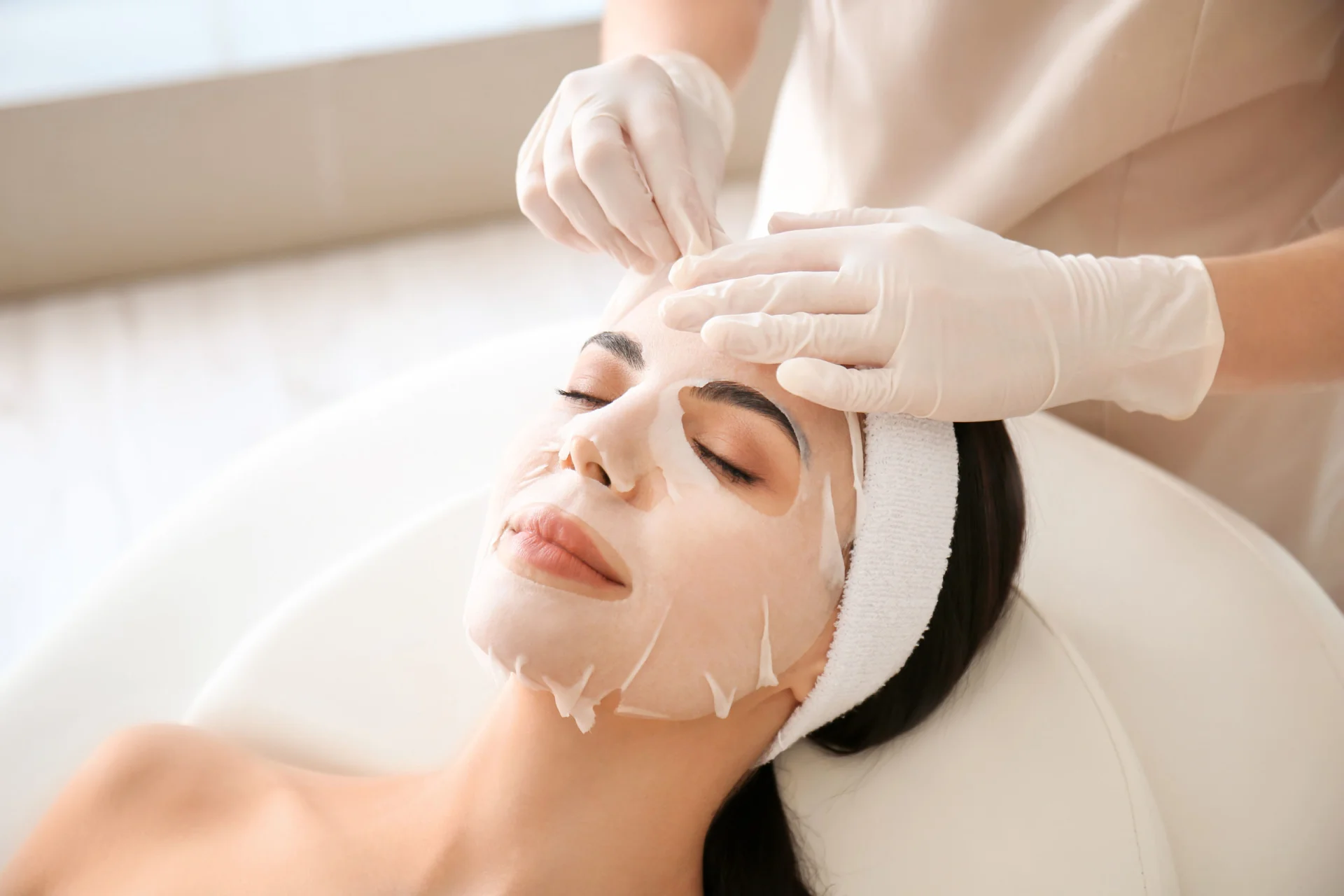
Even people who care about their skin sometimes develop habits that work against them.
Some of the most common skincare mistakes include:
Washing your face too frequently.
Using products that don't match your skin type.
Sleeping with makeup on.
Forgetting sunscreen during colder months.
Picking at pimples or blemishes.
Constantly switching between different skincare products.
Consistency is often more effective than having a complicated routine with too many products.
Healthy skin isn't about perfection—it's about consistency.
Simple daily habits such as cleansing properly, moisturizing regularly, protecting your skin from the sun, maintaining a healthy lifestyle, and seeking professional skincare when needed can make a lasting difference.
Rather than chasing unrealistic beauty standards, focus on understanding your skin's unique needs and caring for it every day. With patience and the right routine, healthy, radiant skin becomes a long-term investment rather than a temporary result.
Remember, the best skincare routine isn't necessarily the most expensive one—it's the one you follow consistently.


