Useful blogs
Helpful beauty guides, aftercare, and tips from our specialists
Helpful beauty guides, aftercare, and tips from our specialists

For many people, a manicure or pedicure is something they schedule before a wedding, vacation, holiday, or another special occasion. While beautifully polished nails certainly enhance your appearance, professional nail care offers much more than cosmetic benefits. Regular manicures and pedicures play an important role in maintaining healthy nails, protecting your skin, improving hygiene, and helping you feel confident every day.
Your hands are one of the first things people notice during a conversation or handshake. Likewise, your feet support your body throughout the day and deserve proper care, even if they spend most of their time inside shoes. Healthy nails and well-maintained skin are not simply a matter of beauty—they are an important part of your overall personal care routine.
Whether you prefer natural nails or colorful gel polish, making nail care a regular habit can provide long-term benefits that extend beyond appearance.
Many people focus only on how their nails look without paying attention to their overall health. However, weak, brittle, or damaged nails can affect both comfort and confidence.
Professional nail technicians don't simply apply polish. During each appointment, they examine the condition of your nails, shape them correctly, care for the cuticles, and help prevent common problems caused by improper nail maintenance.
Keeping nails properly trimmed and shaped can also reduce unnecessary pressure and lower the risk of breakage during everyday activities.
The same applies to toenails. Correct trimming and routine foot care help keep your feet comfortable while supporting healthy nail growth.
Manicures and pedicures are often associated with beauty, but hygiene is equally important.
Throughout the day, your hands come into contact with countless surfaces, while your feet spend hours inside socks and shoes. Without proper care, dirt, dead skin, and bacteria can accumulate around the nails.
Professional treatments include careful cleaning of the nail area, cuticle maintenance, exfoliation, and moisturizing. These steps help maintain healthy skin and reduce the buildup of impurities.
Choosing a salon that follows proper sanitation procedures is essential. Sterilized tools, disposable supplies when appropriate, and clean working environments all contribute to a safer experience.
Healthy nails look even better when surrounded by healthy skin.
Frequent hand washing, cold weather, household cleaning products, and sun exposure can all dry out the skin on your hands. Your feet also experience daily stress from standing, walking, and wearing shoes for long periods.
Professional manicures and pedicures often include exfoliation, nourishing creams, massage, and hydrating treatments that leave the skin feeling softer and healthier.
Regular moisturizing between appointments can also make a noticeable difference, especially during colder seasons.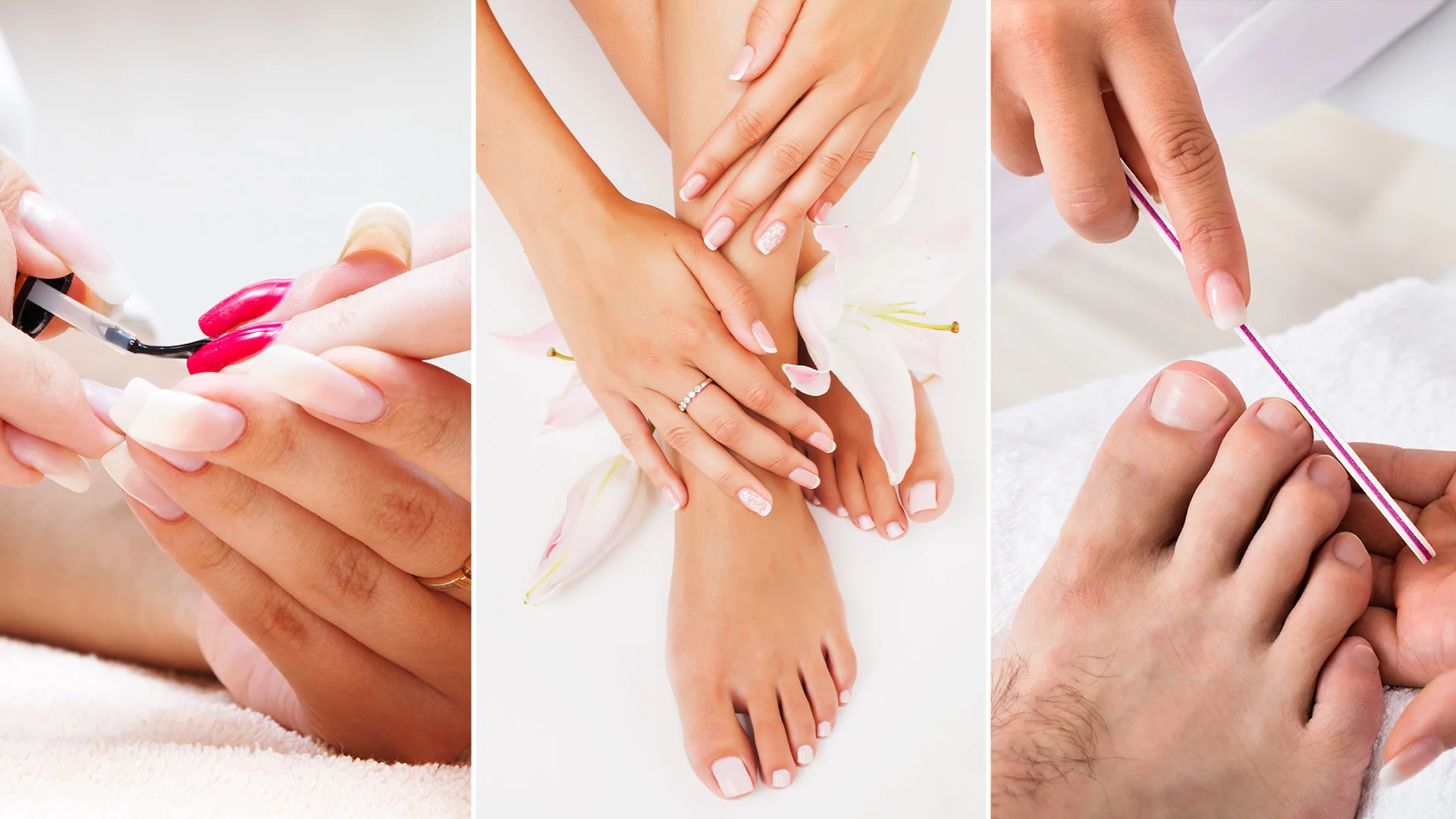
Gel polish has become one of the most popular nail services because it offers a glossy finish and long-lasting wear.
However, it isn't necessarily the best option for everyone.
Some people prefer the flexibility of traditional nail polish, while others enjoy keeping their nails natural. In certain situations, your nail technician may even recommend taking a short break from any coating to allow your nails to recover if they appear weak or damaged.
The best choice depends on your lifestyle, nail condition, and personal preferences rather than current beauty trends.
Not every salon offers the same level of service.
Before booking an appointment, it's worth taking a few minutes to evaluate the salon's professionalism.
Look for:
Proper sterilization of tools.
Clean workstations.
Experienced and licensed nail technicians.
High-quality professional products.
Positive customer reviews.
Good hygiene practices throughout the salon.
A lower price should never come at the expense of cleanliness or safety.
Professional treatments provide excellent results, but your daily habits determine how long those results last.
Simple routines can help keep your nails healthy between salon visits.
Apply hand cream regularly, especially after washing your hands. Cuticle oil helps prevent dryness and keeps the skin around your nails healthy.
Avoid using your nails as tools to open packages or scrape hard surfaces, as this can weaken the nail plate.
For your feet, moisturizing creams, comfortable footwear, and keeping nails neatly trimmed all contribute to better foot health.
There is no single schedule that works for everyone.
Most nail professionals recommend getting a manicure every two to three weeks, depending on how quickly your nails grow and whether you wear regular polish or gel.
Pedicures are commonly recommended every three to five weeks, although people with active lifestyles or dry skin may benefit from more frequent appointments.
Consistency is more important than waiting until your nails become damaged or overgrown.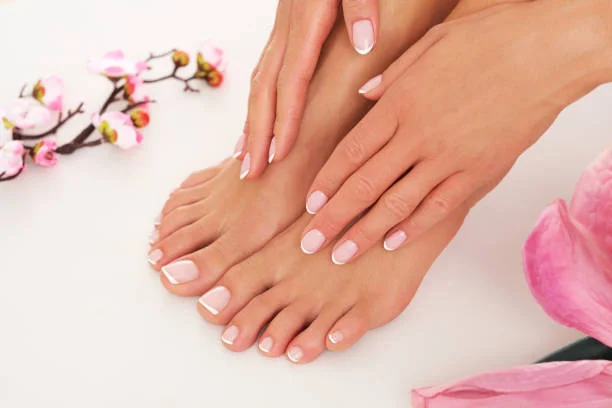
Over the last decade, professional nail care has become increasingly popular among men as well.
Men's manicures and pedicures typically focus on nail health, clean cuticles, and well-maintained skin rather than decorative polish.
Professionals, athletes, healthcare workers, and business owners all recognize that clean, healthy hands contribute to a polished and professional appearance.
Personal grooming is no longer about following trends—it's about taking care of yourself.
Regular manicures and pedicures are far more than beauty treatments. They are an investment in healthy nails, better hygiene, smoother skin, and greater self-confidence.
By combining professional salon visits with simple daily care at home, you can keep your hands and feet looking their best throughout the year.
Healthy nails don't happen by chance—they are the result of consistent care, good habits, and choosing qualified professionals who understand how to protect both the beauty and health of your nails.


